Questions to Ask Before Signing a Nashville Property Management Contract
Protect Your Rentals Before Peak Leasing Season
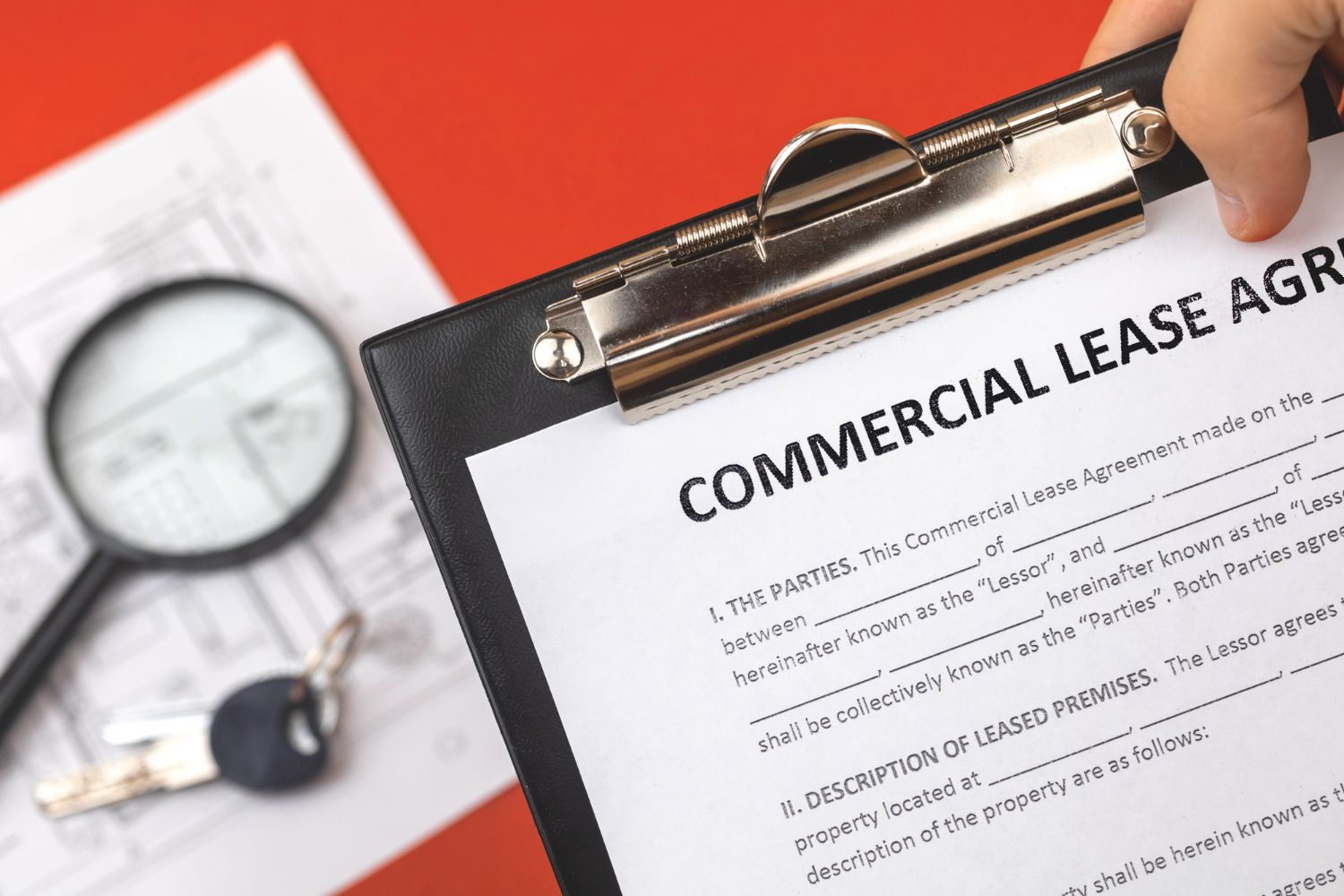
Signing a property management contract in Nashville is a big move for your portfolio. The agreement you sign will shape how your rentals are run, how tenants are treated, and how steady your cash flow feels every month. Before peak leasing season hits and applications pile up, it pays to slow down and ask the right questions.
Fall is when many owners review their management relationships. New residents arrive for school, work, and events, and leases expire across the city. During this window, a clear contract can help you keep good tenants, adjust to new costs, and stay ahead of local rules. Our goal here is simple: share a practical, owner-focused question checklist so you can build a performance-driven partnership instead of getting stuck in a rushed, one-sided deal.
Clarify Services, Fees, and Fine Print Upfront
Start with the basics. If the services are not clear, everything else becomes a guessing game.
Ask: Exactly what services are included, optional, and excluded?
You want to know where the manager steps in, and where you are still on the hook. Ask how they handle:
- Leasing and marketing
- Showings and application processing
- Lease renewals and rent collection
- Inspections and lease enforcement
Then dig into add-on services. Ask how they price things like:
- Evictions and court appearances
- Project management for repairs or upgrades
- HOA coordination for condos or townhomes
- Lease-up for new residential or small commercial buildings
In Nashville’s tighter submarkets, a clear service scope is key. Single-family homes, duplexes, and neighborhood retail spaces all need slightly different plans. You want those differences spelled out.
Ask: How are management fees structured and adjusted?
Every fee should connect to work that is easy to see and measure. Ask whether they use:
- Percentage of monthly rent
- Flat monthly fees
- Separate leasing or renewal fees
- Markups on maintenance or materials
Then ask how and when those fees can change. Can they go up during the term? Do they change if you add or sell properties in your portfolio? This is where you make sure the fee structure fits your strategy, whether you focus on cash flow, long-term appreciation, or a mix of both.
Ask: What hidden or pass-through costs should I expect?
Walk through every possible extra line item. Ask about:
- Admin or lease-processing fees
- Charges for serving notices or posting reminders
- Advertising costs vs management profit
Then, look at property-level expenses. Ask how they track and share bills for:
- Utilities and common-area services
- Landscaping and pest control
- Vendor invoices for repairs
Transparent expense handling makes life easier for owners with multiple units or assets in different states. It also builds trust when you review your books or share reports with partners or lenders.
Define Tenant Screening, Leasing, and Turnover Standards
Your manager’s leasing standards shape the quality of your tenant base and the stability of your income.
Ask: What is your tenant screening process and minimum criteria?
Do not stop at “we run a background check.” Ask for details:
- Credit score thresholds
- Income requirements and proof of income
- Rental history and eviction checks
- Criminal background and how they make decisions
- Pet screening and deposit or fee policies
You also want to know how they stay consistent with fair housing laws in Tennessee and any local Nashville rules. Good screening lowers the odds of nonpayment, conflict, and surprise move-outs.
Ask: How do you handle marketing, showings, and leasing timelines?
Vacancy time is lost income, especially around fall when activity is high. Ask:
- Which platforms they use for listings
- How they keep photos, descriptions, and pricing accurate
- Typical days on market for your neighborhood and property type
- Who does showings and how they follow up with prospects
Nashville’s rental rhythm shifts once winter slows people down. Clear answers help you see whether their process can get your units filled before things cool off.
Ask: What is your approach to renewals, rent increases, and turnover?
A good manager should have a clear plan for keeping quality tenants while still growing rents. Ask how they:
- Review market rents in each submarket
- Decide when to offer renewals vs pushing for higher rent with a new tenant
- Communicate rent increases and timelines
- Adjust strategy based on your goals for the asset
You want a manager who balances occupancy, tenant satisfaction, and long-term rent growth, not someone who just chases short-term numbers.
Nail Down Maintenance, Inspections, and Risk Management
Maintenance can either protect your investment or eat it alive. Your contract should make the process clear and predictable.
Ask: How are maintenance requests handled and prioritized?
Find out how tenants submit requests and what happens next:
- Portal, phone, or email options
- Response times for emergencies vs routine issues
- Approval limits before they must get owner consent
If you have a mix of residential and light commercial units or even a small mixed-use building, ask how they adjust their process for things like business hours, safety issues, or shared systems. Clear triggers for owner approval protect your budget and keep you informed.
Ask: Which vendors do you use and how are they vetted?
Vendor quality affects both your costs and your liability. Ask:
- Whether vendors are licensed and insured
- How familiar they are with local building codes and permits
- If there are ownership ties or conflicts of interest
- How any markups are disclosed in the contract
If you own more than one property, ask about bulk pricing and whether any savings flow back to you.
Ask: What is your inspection schedule and risk mitigation plan?
Inspections catch problems before they become emergencies. Ask about:
- Move-in and move-out documentation
- Semi-annual or annual interior checks
- Seasonal checks before colder weather or after strong storms
Then ask how they handle issues such as water intrusion, safety hazards, or unauthorized occupants. You want clear steps for documenting, notifying you, and fixing problems, along with insurance and incident reporting processes that limit exposure for both of you.
Set Expectations on Communication, Reporting, and Contract Terms
Even a strong system will frustrate you if communication is weak.
Ask: How often will I receive updates and financial reports?
Ask to see sample reports:
- Clear income and expense breakdowns
- Reserve details and unpaid balances
- Notes on capital projects or big repairs
Confirm whether you get an owner portal, how current the data is, and how quickly they respond to questions. This is especially important if you own in Tennessee, Alabama, and Missouri and you are not local.
Ask: What are the contract length, renewal, and termination terms?
You need flexibility if your strategy or life changes. Ask:
- Standard initial term and any automatic renewals
- Notice needed if you want to non-renew
- Difference between termination for cause and without cause
- Any fees tied to ending the agreement or selling the property
Clarity here protects you if you decide to adjust your portfolio or change directions.
Ask: How do you measure success and report performance?
A management partner should be able to explain how they judge their own work. Ask which KPIs they track, such as:
- Occupancy and rent collection rates
- Delinquency and eviction trends
- Maintenance response and completion times
- Tenant renewal and retention rates
Then ask how often they review performance with you and how they bring forward new ideas, not just reports. You want their incentives to support long-term asset health, not just short-term fee income.
Move From Uncertainty to a Confident Nashville Partnership
When you ask these questions before signing, a generic property management contract in Nashville turns into a focused plan built around your assets and goals. The manager understands how you define success, and you understand exactly what they will do, how they will do it, and how you will both measure progress.
At Renting Earth, we work with residential and commercial owners across Nashville and markets like Alabama and Missouri who want stable assets and aligned management. Before you sign or renew, gather your current leases, financials, and a simple list of goals, then use this checklist to shape a contract that protects your properties and supports your long-term investment strategy.
Streamline Your Nashville Rentals With Proven Management Support
If you are ready to simplify your workload and protect your investment, we can help you put solid systems in place. Our team will walk you through our
property management contracts in Nashville so you know exactly what to expect at every step. At Renting Earth, we focus on clear communication, transparent fees, and practical solutions tailored to your properties. Have questions or want to review your options now? Just
contact us to get started.