When Commercial Property Leasing in Nashville Hurts Asset Value
When Leasing Decisions Quietly Erode Asset Value
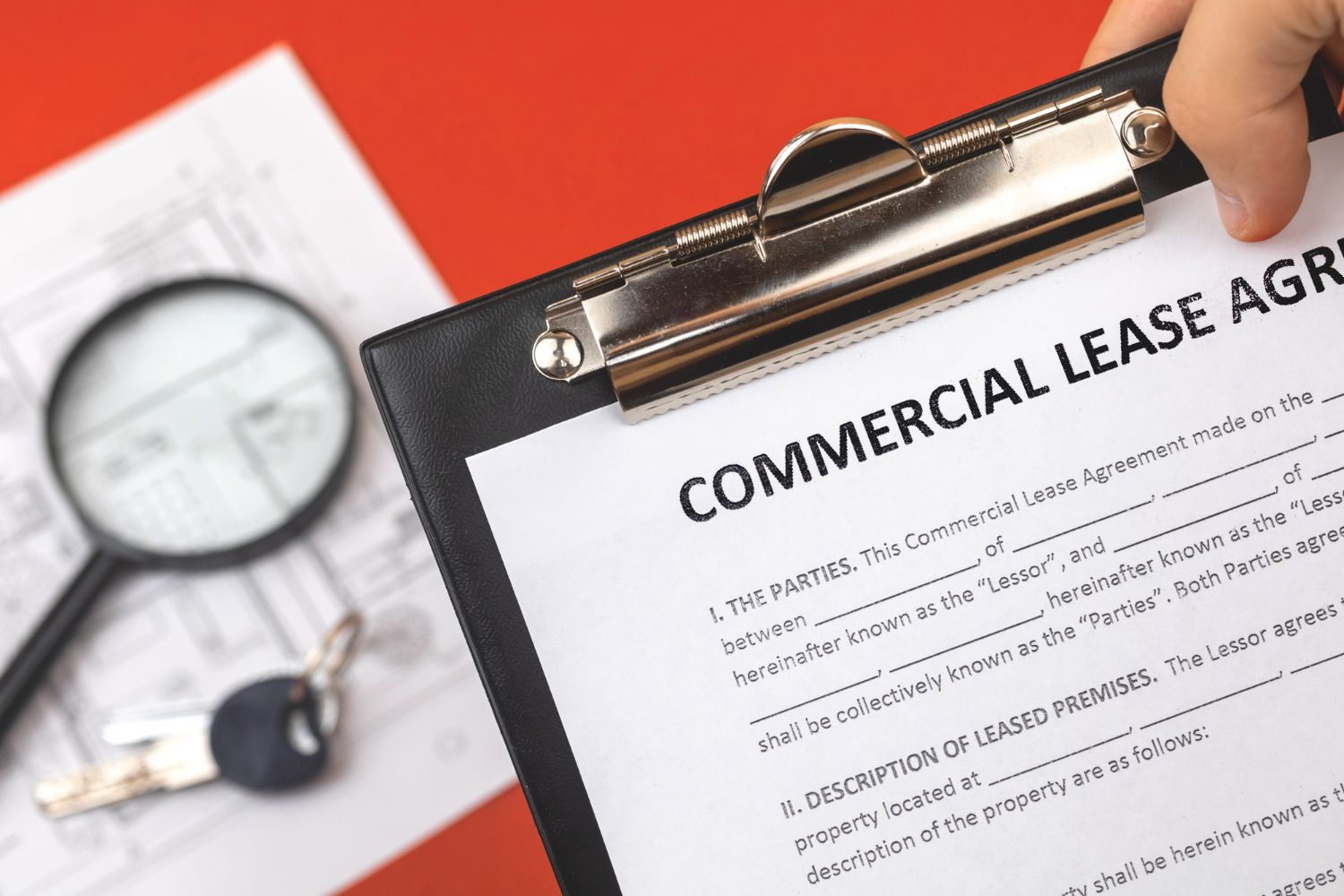
Commercial property leasing in Nashville can either protect your asset or quietly bleed it over time. Lease by lease, the wrong choices can drag down income, hurt your refinance terms, and make a future sale harder than it needs to be. On the surface, the building can look full and busy, while the numbers underneath tell a very different story.
Nashville has a strong story: music, healthcare, technology, tourism, and higher education. That energy pulls in tenants and investors from all over. But that same momentum can hide weak lease structures, mispriced space, or the wrong tenant mix for a changing street. On paper, everything looks fine until a lender, buyer, or appraiser starts asking hard questions.
At Renting Earth, our view is simple. Value is not just about the building, location, or finish level. Value is built or broken at the lease level, especially in fast-moving Sun Belt markets like Middle Tennessee. If the rent roll is out of step with the neighborhood, your asset can fall behind even while the city around you keeps rising.
When “Market Rent” Becomes a Trap
Owners often ask if they are getting “market rent” for their space. That sounds like a smart question, but it can be a trap if you only focus on the headline dollar amount and ignore everything else tied to it.
A rate that looks strong on a flyer can be weak once you factor in:
- Free rent or big move-in concessions
- Heavy tenant improvement allowances
- Expense stops or caps that shift risk back to you
- Renewal options that lock in rents below where the area is heading
In Nashville, we see a few common patterns that hurt long-term value:
- Locking into long terms right before a corridor heats up, then watching new product down the street leap ahead on rent
- Chasing short-term occupancy with deep discounts that pull down future comps and buyer expectations
- Agreeing to lease language that makes it hard to reset fair market rent later
This shows up during lender reviews, especially in summer and at year-end when banks stress-test your cash flow. If rent and term structures are out of sync with the neighborhood, lenders see higher rollover risk and weaker income quality. That can show up as tighter terms, lower proceeds, or harder refinancing talks, even if your building is mostly leased.
Tenant Mix Mistakes That Haunt Future Buyers
In retail corridors and mixed-use projects across Nashville, tenant mix is a big deal. A full building is not always a healthy building, and buyers know it. When the mix is off, your buyer pool shrinks, especially among institutional groups that prize stability and synergy between tenants.
Red flags include:
- Transient concepts with untested brands and short track records
- Loud nightlife tenants next to professional services that need calm, predictable hours
- Heavy exposure to a single industry, such as only nightlife, only salons, or only small non-medical office
The wrong neighbor can cut into sales, trigger complaints, and push better tenants to look elsewhere when their leases expire. Over time, you can end up in a cycle of frequent turnover and one-off deals that do not support a clear long-term story.
A thoughtful leasing strategy looks at how different sectors behave in Nashville’s cycles. For example, tourism peaks at certain times, the college calendar shapes traffic in nearby areas, healthcare draws a steady weekday crowd, and office demand shifts with broader business trends. A strong rent roll balances those patterns, so you are not tied too closely to one season or one type of customer.
Overlooking Neighborhood Shifts Around Your Asset
Commercial property leasing in Nashville can look fine in a static snapshot, yet fail in real life because the neighborhood is changing faster than the lease plan. When owners ignore hyperlocal signals, they often sign deals that feel safe on paper but quickly fall behind.
Key local shifts to watch include:
- Planned infrastructure or road changes that alter access and traffic
- New zoning or entitlements that allow different uses than when you bought
- Competitive new projects or adaptive reuse coming online nearby
- Shifts in where people actually live, work, and spend their free time
Q3 and Q4 leasing choices are especially important. Decisions made around late summer and before the holidays shape next year’s performance. If you base your leases only on last year’s foot traffic or tenant interest, you can bake in terms that feel outdated before they even roll into full effect.
In Nashville, neighborhoods can reposition quickly as new product arrives and older buildings are converted to new uses. The rise of adaptive reuse means tenants now have more character-rich options, often with modern systems and smart layouts. Lease terms that worked fine for a basic older building may not compete well against nearby spaces that feel fresher and better aligned with current tenant expectations.
When DIY Leasing Costs More Than Advisory Fees
On the surface, handling your own leasing can seem like a way to stay in control. But with commercial space, the hidden costs stack up fast. Self-managing complex leases often leads to:
- Longer vacancy periods between tenants
- Weaker tenant screening and more defaults or early exits
- Incentives that look generous but do not speed up absorption
- Deals that cut against your long-term repositioning goals
In Nashville, interest often spikes in late summer and early fall when many businesses consider moves or expansions. Owners sometimes misread this as proof that their current strategy is working, when in reality, they may just be riding a general seasonal wave. Without strong positioning, the tenants who show up may not be the ones who protect your rent roll over the next lease cycle.
For out-of-state or less local owners, the gap can be even wider. Submarkets across Middle Tennessee have very different tenant bases, traffic rhythms, and expectations. Without focused leasing representation and current market intelligence, it is easy to say yes to the wrong deal simply because it fills a vacancy.
Turn Leasing Into a Long-Term Value Strategy
Commercial property leasing in Nashville does not have to hurt your asset value. With the right lens, it becomes one of your strongest tools for protecting and growing equity over time.
A simple starting framework looks like this:
- Audit your current rent roll, including base rent, escalations, options, and concessions
- Map lease expirations and stress-test your next 12 to 24 months of rollover under different scenarios
- Review tenant mix for overconcentration by use, credit type, or industry
- Compare your leasing story, not just your rental rate, against top-performing assets in similar corridors
At Renting Earth, we focus on leasing strategy, representation, tenant advisory, and market intelligence so owners can make decisions at the lease level that clearly support long-term value. When each new lease fits a bigger plan for the building, your rent roll starts to tell a clear, compelling story to lenders and future buyers, rather than raising quiet questions that hold your asset back.
Unlock The Full Potential Of Your Nashville Commercial Property
If you are ready to secure reliable tenants and maximize returns, our team at Renting Earth is here to guide you through every step of
commercial property leasing in Nashville. We take a data-driven, hands-on approach so you can feel confident in your leasing strategy and long-term investment performance. Reach out today to discuss your goals and let us design a plan tailored to your property. If you are ready to move forward or have questions, simply
contact us to get started.