Nashville Self-Management Playbook: Tools and Compliance Checklist
Why Self-Managing a Rental in Nashville Can Actually Work
Self-managing a rental in Nashville can work if you treat it like a real business, not a side hobby. The city is growing fast, rental demand is strong, and many investors want to keep control while they learn the ropes or test a new area. If you put clear systems in place, you can keep units full, tenants happy, and your asset protected.
Different parts of Nashville act like different rental worlds. Renters in the Gulch may expect modern finishes, quick responses, and covered parking. In Antioch, families might care more about value, space, and schools. East Nashville renters may lean toward walkability and character. Your plan has to match the submarket, but the core systems stay the same.
Our goal here is to walk through those systems. We will cover a repeatable leasing process, simple tools that DIY investors actually use, a practical compliance checklist focused on Tennessee and Metro Nashville, and how to handle tenants and tough situations without losing your sanity. We will also talk about when it makes sense to bring in professional rental property managers in Nashville, TN, so your investment stays protected long term.
Building a Repeatable System for Every New Lease
Self-management gets easier when every new lease follows the same steps. Start before the unit is vacant, not after someone moves out.
For intake and rent-ready prep, use a simple checklist for each property:
- General condition: walls, floors, doors, locks, windows
- Safety items: smoke and CO (carbon monoxide) detectors, handrails, exterior lighting
- Systems: plumbing fixtures, electrical outlets, appliances, HVAC
- Curb appeal: yard, trash pickup area, mailboxes, common spaces
Set your own rent-ready standard and stick to it. That usually means clean, safe, and everything working as it should. Professional photos help you stand out, even in more budget-friendly areas. Create a listing template with your basic property info, rules, and screening standards so you can plug in fresh photos and go live fast with each vacancy.
Then build a simple leasing workflow:
- Day 1 to 3: publish listings, open a pre-set showing schedule
- Showings: keep a clear system for keys, alarms, and feedback notes
- Applications: same form and same screening criteria every time
- Decision and lease signing: document why you accepted or declined
Document each step in writing. Save emails, messages, and any notes about the process. If there is a dispute later, you will be glad you did.
Lastly, plan your year with an owner calendar. Map out:
- When you normally send renewal offers
- When you review the local market for potential rent changes
- Seasonal maintenance like servicing heat before winter, checking gutters after heavy leaf drop, and inspecting for storm damage after major weather
- Time for organizing income and expenses ahead of tax season
Treat that calendar like appointments you do not skip.
Smart Tools Nashville DIY Investors Actually Use
Good tools do not replace good decisions, but they keep you from living inside your inbox. Start with a basic leasing and screening stack.
Most owners use:
- Online listing platforms that push to multiple rental sites
- A scheduling app so prospects can book showings within set time blocks
- Screening software that checks credit, background, and eviction history
Nashville has a lot of gig and hospitality workers, so income can be less traditional. Think about:
- Asking for several months of bank statements
- Verifying recurring deposits from employers or platforms
- Looking for patterns, not just a single big deposit
For operations and communication, pick one main system and stick to it. At minimum, you want:
- Rent collection and simple accounting in one place
- A way for tenants to submit maintenance requests in writing
- A rule that all important items stay in written form, not just calls or texts
On the ground, you also need a bench of vendors. Many DIY owners lean on:
- HVAC techs familiar with both older homes and newer systems
- Plumbers and electricians who offer emergency support
- Pest control and recurring landscaping
- Turnover cleaners, locksmiths, and a general handyman
Start building that list before you get your first midnight leak.
Legal and Compliance Checklist for Nashville Landlords
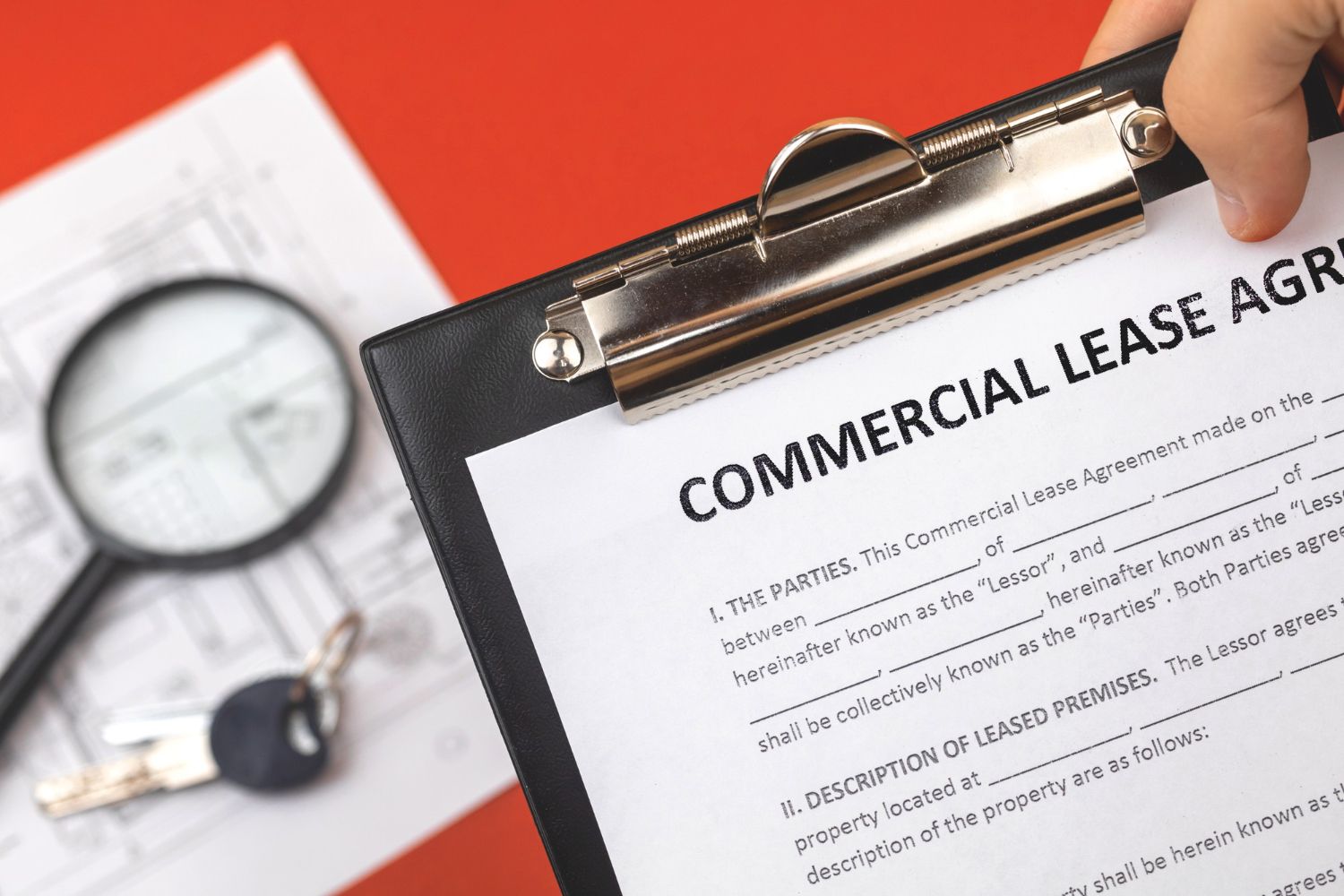
Owning rental property here means following Tennessee landlord-tenant rules along with Metro Nashville requirements. It is always smart to speak with a local attorney for legal guidance, but there are some core topics every landlord should know.
At the state level, pay close attention to:
- Required disclosures, such as who manages the property
- How you handle and store security deposits and when they must be returned
- Fair housing rules and the need to apply written criteria the same way to every applicant
- Lease terms that clearly explain rent, fees, and responsibilities for repairs
Your lease should be clear enough that it makes sense if it ends up in a Davidson County court. Vague rules cause problems later.
Metro Nashville also has its own rules. Owners need to be aware of:
- Any rental registration or licensing that may apply
- Short-term rental regulations, which are very specific by area and property type
- Occupancy limits related to health and safety
Because rules can change, set a reminder to review local guidance at least once a year.
Safety and inspections matter as much as paperwork. Make sure you:
- Install and test smoke and carbon monoxide detectors where required
- Keep locks, latches, and railings in good working order
- Check HVAC and water heaters on a regular schedule
- Watch for moisture issues that can turn into mold, especially in lower levels
Before colder weather, confirm that heating works and exterior areas are as safe as possible for wet or icy conditions.
Handling Tenants, Turnovers, and Tough Situations
The way you start a tenancy shapes the whole relationship. A simple onboarding system will protect you.
At move-in, use:
- A written checklist for condition by room
- Photos or videos that you store with the lease file
- A short welcome packet with how to pay rent, how to request repairs, where to park, and basic house rules
Set expectations on noise, guests, trash, and how fast you respond to non-urgent issues. When people know the rules early, they are more likely to follow them.
For day-to-day operations, consistency is your best friend. Decide in advance:
- What happens the day after rent is late
- Whether you ever allow payment plans and what they look like
- How much notice you give before a rent increase, beyond legal minimums
- How you approach renewals versus move-outs
Keep every step in writing. Friendly communication is great, but the paper trail is what protects you if something goes wrong.
When conflict shows up, stay calm and follow your own process. That might include:
- Sending written notices with clear cure periods when the lease is broken
- Choosing not to renew instead of getting stuck in ongoing conflict
- Starting formal eviction steps when you have tried and documented your attempts to resolve the issue
If things feel like they are spinning out of control, this is often the point where many investors decide to bring in rental property managers in Nashville, TN who deal with these situations every day.
When to Pivot From DIY to Professional Support
Self-management can work, but it is not the best fit for every season of ownership. Pay attention to warning signs like:
- Maintenance tasks that keep slipping
- Slow responses to tenants because of your main job
- More turnover than you expected
- Constant stress about legal risk or missed details
At some point, the cost of your time, lost rent during vacancy, and the risk of a legal mistake may outweigh the fee for full-service help. It helps to think about your own hourly value. If self-managing is pulling you away from higher-value work or family time, it might not be the win it looked like at first.
Some owners like a hybrid approach. You might:
- Keep control of big decisions while a local firm handles leasing
- Outsource inspections and compliance checks while you manage tenant communication
- Use professional support for turnovers and move-outs, especially when there is conflict
At Renting Earth, we focus on helping Nashville investors secure aligned tenants, stabilize assets, and protect long-term investment value. When your rental portfolio outgrows what you can handle alone, the right partner can turn your systems into something that scales, season after season.
Partner With Local Experts To Protect Your Rental Investment
If you are ready to get more from your rentals with less daily stress, our team at Renting Earth is here to help. As experienced
rental property managers in Nashville, TN, we focus on protecting your investment while improving long-term returns. Reach out today to discuss your properties, ask questions, and see which services fit your goals. You can also
contact us to schedule a straightforward consultation.