Vendor Accountability in Nashville Landscape Contracts: KPIs and SLAs
Protect Curb Appeal with Hard Data, Not Hope
Vendor accountability is not a nice-to-have for commercial properties in Nashville; it is the difference between a sharp, clean site and a tired one that drags on asset performance. During peak growing season, turf can go from crisp to shaggy in a week, weeds can jump out of beds, and irrigation issues show up fast in the heat. If the vendor is not managed by clear standards, small misses turn into big headaches.
Curb appeal is not just about looking pretty. It ties directly to rent growth, renewal rates, and how your asset stacks up against the center across the street or the office park down the road. When the grounds look cared for, tenants feel better about bringing in clients, employees feel safer and more proud of the site, and owners feel more confident about long-term value.
That is why landscaping services for property managers in Nashville should not be run on hope and handshakes. They should be driven by clear KPIs, a repeatable inspection plan, and real consequences when standards are not met. At Renting Earth, we see this as part of normal operations, not an extra.
Turning Scope Into Measurable KPIs
Most landscape contracts start with the same basic scope: mow, edge, prune, weed, irrigate. On its own, that kind of list is wide open to misunderstanding. To hold vendors accountable, we turn each piece into something we can measure and track. In practice, that means breaking scope into a few KPI types that can be defined, inspected, and documented:
- Frequency: how often each task must be done
- Response time: how fast the vendor must address issues you flag
- Quality standards: what “good” looks like on site
- Safety metrics: how work is done to protect people and property
For example, instead of writing “mow weekly,” the scope becomes clearer when it includes measurable expectations like timing, condition, and cleanup. That might look like:
- Mow and edge all turf areas every 7 days during growing season, with grass height kept within a set range
- Blow all hard surfaces clean after each visit, with no visible clippings left
Those same KPI ideas shift by asset type because the priorities and pressure points are different. For instance:
- Office parks: clean edges, tidy entry beds, safe walkways, no low branches over parking areas
- Retail centers: clear sightlines to signage, trash-free beds, no weeds around storefronts or pedestrian paths
- Industrial parks: durable turf in high-traffic truck areas, good drainage, clear fire lanes and dock access
- Multifamily communities: safe play areas, healthy shade trees, clean dog stations, neat common green spaces
In Nashville, summer heat is a big driver of KPIs. Turf can get stressed, especially in open parking lots or south-facing slopes, which makes irrigation performance a key metric. Rather than treating irrigation as a vague responsibility, we look for trackable requirements such as:
- Irrigation coverage checks on a set schedule
- Repair response times for leaks, stuck heads, or control issues
- Evidence of overwatering or dry spots that can damage turf or hardscape
Stormwater management also matters. Cluttered drains, eroded slopes, or compacted soil can lead to pooling, slip hazards, and long-term damage. Good KPIs around drainage and erosion help keep both appearance and structure on track, while giving owners more budget predictability over time.
Building a Practical Inspection and Scoring System
KPIs only work if someone checks them. The goal is a simple system that fits into the normal property manager rhythm instead of adding chaos. A basic inspection protocol can be straightforward and repeatable, such as:
- Monthly quality walks during the growing season, with notes and photos
- Quarterly deep-dive reviews that include the vendor, walking key areas together
- Post-storm spot checks for debris, fallen limbs, and drainage issues, with quick follow-up
During each walk, we score the site on a consistent rubric tied to the KPIs. The format can vary depending on what is easiest for your team to run consistently, but common options include:
- A 1 to 5 rating for each category, where 1 is poor and 5 is excellent
- Pass or fail on safety items like trip hazards, blocked exits, or low branches
- Weighted categories, such as heavier weight on turf and beds at a Class A office entry, or on parking areas in a busy retail center
Common scoring categories include turf condition, weeds, pruning, seasonal presentation, and overall cleanliness. For clarity, those categories are often tracked as:
- Turf health and uniformity
- Weed control in beds and pavement cracks
- Pruning quality and tree/shrub health
- Seasonal color and mulch condition
- Cleanliness of sidewalks, curbs, and parking lots
Digital tools make this much easier. Simple inspection apps, shared photo folders, or cloud-based checklists help keep everything in one place. Owners, asset managers, and vendors can all see the same history, which makes performance talks more about facts and less about opinion.
Service Level Agreements, Penalties, and Legal Teeth
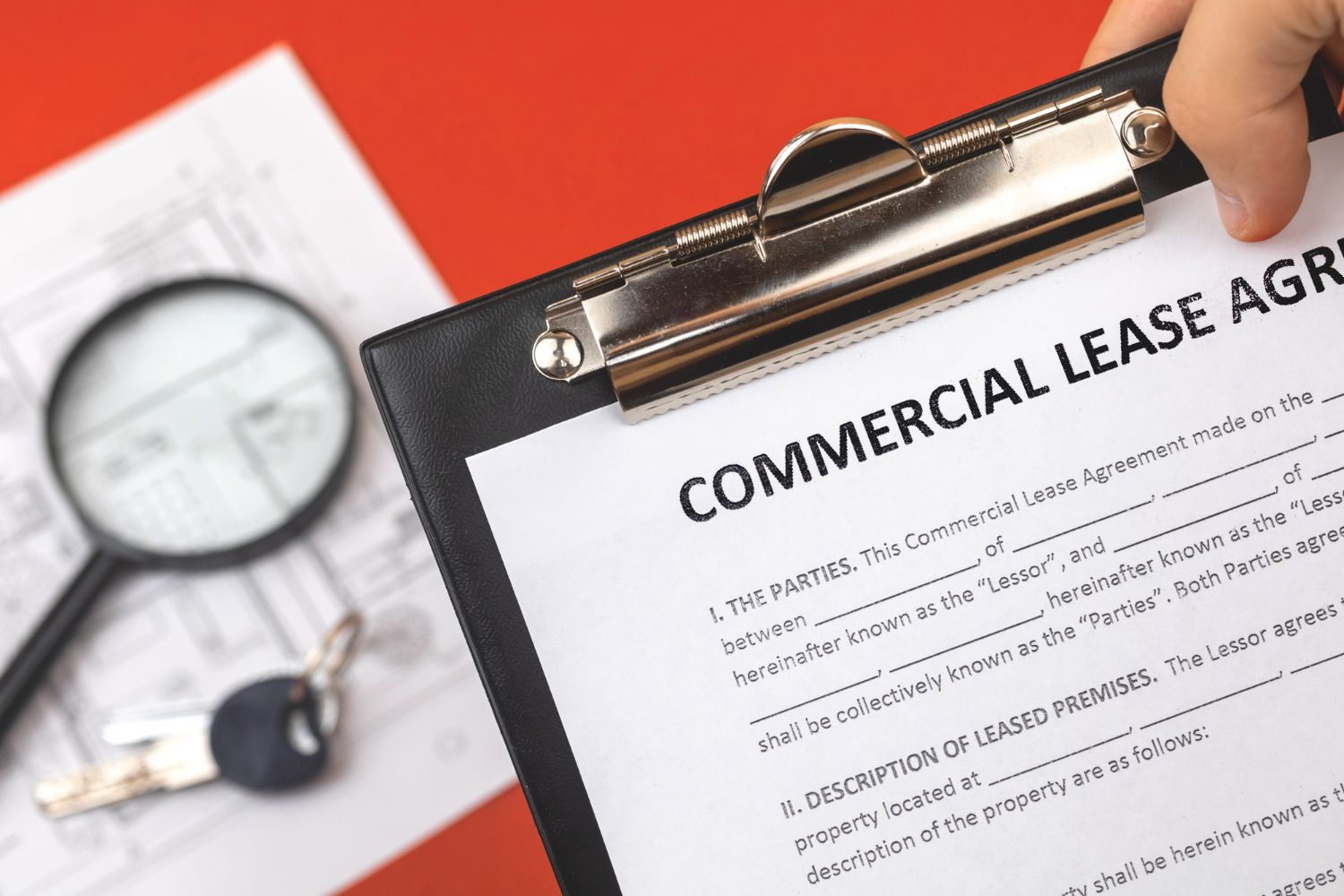
Service Level Agreements give your KPIs legal structure. They turn expectations into contract terms, especially for landscaping services for property managers in Nashville that need tight control during fast growth periods. Clear SLAs often cover the areas where misunderstandings and delays create the most visible (and costly) problems, including:
- Response time for safety issues like fallen limbs or blocked walkways
- Maximum weed size or coverage allowed in beds before it counts as a miss
- Timeframes for irrigation repairs after a problem is reported
- Dead plant replacement periods and warranty expectations
To make SLAs meaningful, they need consequences that connect directly to the standards you are measuring. Common approaches include:
- Fee reductions when scores fall below a set threshold for a period
- Service credits when the vendor misses defined response times
- Cure periods that give the vendor a set number of days to fix issues before penalties apply
The language needs to be clear, not vague. Phrases like “keep site looking good” are hard to enforce, while terms that link directly to KPIs and scores are much easier to uphold.
Risk management also comes into play. Strong contracts address protections and safety expectations so that owners and managers are not exposed to preventable vendor-caused risk. Key contract items typically include:
- Indemnity wording so owners and managers are protected from vendor-caused claims
- Proof of proper insurance, including general liability and workers’ compensation coverage
- Safety compliance requirements for equipment use, traffic control, and chemical applications
When disputes come up, a well-written SLA, backed by documented inspections and photos, gives owners, investors, and managers a solid base to stand on.
Seasonal Strategies to Keep Vendors On Track
Seasonal planning is where accountability meets the real world of growth cycles and tenant needs. In Nashville, the work and the standards change as the year moves, so it helps to set expectations by season:
- Spring: cleanup, mulch refresh, bed prep, irrigation startup and checks
- Summer: tighter mowing schedules, close watch on irrigation, weed control, and pruning
- Fall: leaf and debris control, drainage checks, winter color planting where needed
- Winter: dormant pruning, planning, contract review, and capital project scheduling
We like to tie seasonal enhancements to key asset events. For example, timing mulch and color bed updates ahead of large renewals, new lease starts, or marketing pushes can give the property a lift when you need it most.
Pre-season meetings with vendors help set targets, review KPIs, and address issues from the last cycle. End-of-season scorecards are useful because they turn the season into a clear performance record and planning tool, including:
- Summarizing average inspection scores
- Documenting repeated misses or strong performance areas
- Adjusting scope, KPIs, or SLAs for the coming season
- Planning any capital work needed, such as major tree care or irrigation upgrades
Turning Vendor Data Into Better Asset Decisions
When inspections, SLA tracking, and penalty history are all in one place, they become more than records. They become a decision tool. Vendor scorecards can draw on several consistent data points over time:
- Average scores by category over time
- Number and type of SLA breaches
- Responsiveness on safety and service calls
- Quality during peak pressure times, like midsummer heat or heavy leaf season
Owners and property managers can then use that data to make smarter operational and financial calls, including:
- Decide whether to renew, re-bid, or terminate a contract
- Support capital requests for major improvements that will improve long-term results
- Compare competing bids for landscaping services for property managers in Nashville, based on past performance, not just promises
At Renting Earth, we build these accountability pieces into how we manage and lease commercial properties. KPIs, inspection protocols, and enforcement are tools we use to protect curb appeal, control risk, and support asset performance across changing seasons. When vendor accountability is clear, the grounds become one more asset lever you can count on, not just one more thing to worry about.
Get Started With Your Project Today
If you are ready to simplify property maintenance and keep every community looking its best, our team at Renting Earth is here to help. Explore our tailored
landscaping services for property managers in Nashville to get a solution that fits your portfolio, budget, and schedule. We will walk you through a clear plan, from assessment to ongoing care, so you know exactly what to expect. Have questions or want a customized quote? Just
contact us and we will respond promptly.