Inside Nashville Office Park Grounds Maintenance Contracts
How Smart Grounds Contracts Protect Office Park Value
When office park grounds slip, tenants notice fast. Grass goes patchy, beds fill with weeds, trash shows up in corners, and suddenly renewals feel harder. A neighboring park with clean entrances, healthy trees, and cared-for walkways starts to look a lot more attractive to decision makers walking the tours.
Grounds maintenance is not just mowing and mulching. For commercial owners in Nashville, it is an asset protection tool that touches leasing, safety, branding, and long-term value. The outside of the property often sets the tone for everything that happens inside.
In this article, we are talking about grounds maintenance for office parks in Nashville as a strategic contract, not a series of random work orders. We will look at what should be included, how it should be structured around local seasons, and which contract terms actually protect owners and asset managers over time.
What Nashville Office Parks Really Need From Grounds Care
Office parks are not single buildings with a front yard. They are full campuses, with different spaces working in different ways. That means the grounds program has to do more than cut grass every week.
A complete program usually touches the core services below:
- Lawn care, including mowing, edging, weed control, and turf health
- Trees and shrubs, including pruning, feeding, and monitoring for disease or storm damage
- Irrigation, inspections, adjustments, and start-up or shutdown services
- Hardscape cleaning, such as sidewalks, plazas, curbs, and entry areas
- Seasonal color where it makes sense, like building entries and monument signs
- Litter control across parking lots, loading areas, and common spaces
- Snow and ice planning if needed during winter events
- Stormwater areas, like bioswales, detention ponds, and drainage inlets
Different parts of a Nashville office park also need different service levels because they function differently and carry different visibility and risk. Street frontage and monument signage are your first-impression spaces, while main entries, lobby approaches, and common walkways are daily touchpoints for tenants and visitors. Outdoor seating, break areas, and pocket plazas influence tenant satisfaction, and parking lots, loading zones, and back-of-house areas typically carry higher safety risk.
When these areas are on a thoughtful service plan, owners see clear outcomes. Clean walkways and trimmed roots lower trip-and-fall risk. Healthy plants live longer so you are not replacing trees every few years. Smart irrigation reduces emergency fixes and water issues. For leasing teams, it is easier to bring prospects on site when the campus looks cared for every single visit.
Building a Contract Around Nashville’s Seasons
Nashville’s climate keeps office parks busy all year. We have warm, humid summers, chilly winters with occasional ice, strong spring storms, and shoulder seasons that can stress turf and trees in different ways. A good grounds contract respects that rhythm.
Instead of a vague “year-round service” line, owners should expect a clear seasonal road map. For example:
- Spring, pre-emergent applications for weeds, bed cleanouts, early pruning, and storm debris cleanup
- Late summer, close attention to irrigation coverage, turf stress, and plant health checks
- Fall, leaf removal, gutter and drain checks, and pruning designed to protect structures and lights
- Winter, monitor for freeze-thaw damage, plan for snow and ice response, and protect irrigation
For cool-season turf, aeration and overseeding typically land in the cooler months, when grass can recover and fill in. Stacking that work into the contract keeps it from becoming an afterthought or a rushed extra.
Owners should insist that any contract for grounds maintenance for office parks in Nashville includes a seasonal structure and clear accountability measures. At minimum, that means the agreement spells out the calendar, sets expectations for post-storm response, and defines measurable standards for day-to-day appearance.
- A month-by-month or seasonal service calendar
- Clear expectations for response after storms, including debris removal and safety checks
- Defined standards for turf height, weed thresholds, pruning cycles, and litter pickup
This level of detail cuts down on surprises. It also makes it easier to hold the vendor accountable without arguing about what was or was not “included.”
Key Terms to Include in Grounds Maintenance Agreements
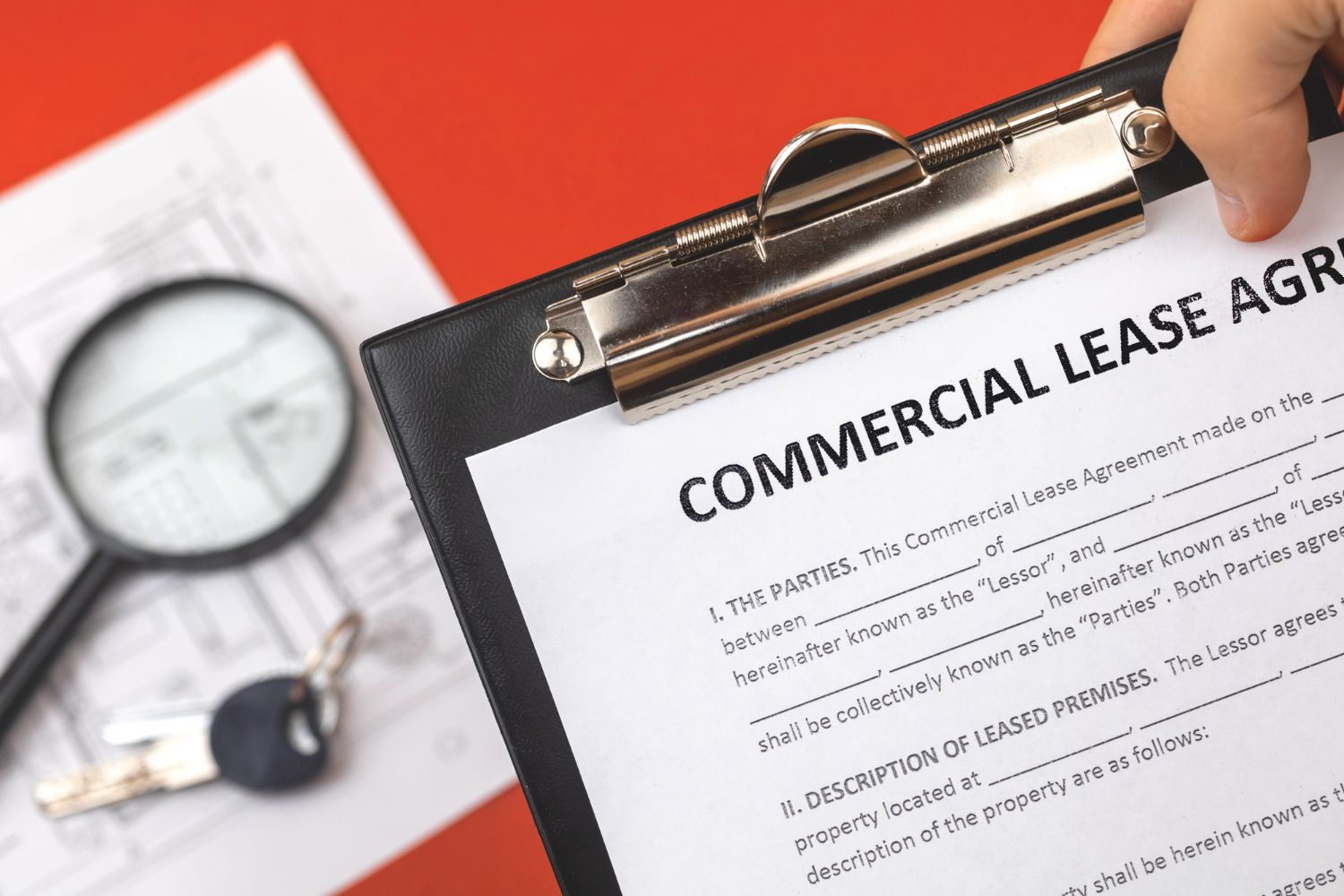
Scope and timing matter as much as the work itself. A strong agreement starts with clear basics:
- Defined scope of work, broken out by service type
- Service frequency for each task, not just “as needed” language
- Quality benchmarks, such as appearance standards and safety expectations
- Staffing plans, like typical crew size and whether there is a dedicated site lead
- Site maps that show exactly which areas are in scope and which are excluded
Risk management terms protect both owner and contractor. For commercial campuses, those should cover:
- Insurance requirements that match your ownership and lender standards
- Safety protocols for equipment use around cars and pedestrians
- Handling, storage, and application of chemicals and fertilizers
- Responsibility for any damage to buildings, vehicles, utilities, or tenant property
Financial terms also belong in the core of the agreement, not in side notes. Owners can benefit from:
- Multi-year structures with clear escalation caps tied to agreed triggers
- Different service tiers for high-visibility versus low-visibility zones on campus
- KPIs like response times, completion rates, and inspection scores tied to renewals or possible bonuses
When these terms are written clearly, both sides know what success looks like, and that reduces friction over the life of the contract.
Choosing and Managing the Right Grounds Partner
The contract is only as strong as the team delivering it. For Nashville office parks, vendor evaluation should go beyond a simple list of services. Helpful criteria include:
- Proven experience with similar office parks in the Nashville area
- References from institutional or multi-asset owners
- Ability to support several properties at once if your portfolio grows
- Clear explanation of what is self-performed versus subcontracted
An effective RFP process sets everyone up for better results. That usually means using consistent inputs and a standard format so pricing and scope comparisons are apples-to-apples, while still capturing how each vendor will operate on an active campus.
- Sharing up-to-date site maps, photos, and any known problem areas
- Asking all vendors to use a standard pricing and scope format for easy comparison
- Including questions about sustainability practices, such as water management or plant choices
- Asking how crews will interact with tenants, especially in busy courtyards or near entries
Once the contract is in place, it still needs active management. Owners and asset managers get better outcomes when they build in recurring check-ins, document site conditions over time, and keep communication simple and consistent.
- Schedule quarterly site walks with the grounds vendor to review quality and priorities
- Hold seasonal review meetings to adjust plans, such as adding storm cleanup if patterns shift
- Use photo documentation to track improvements and recurring issues
- Leverage technology, like work order apps or simple dashboards, to keep communication clear
This turns the grounds vendor into a strategic partner that helps protect and grow the asset, not just a crew that shows up with mowers.
Turning Your Grounds Contract Into a Leasing Advantage
Thoughtful grounds maintenance for office parks in Nashville does more than keep the property tidy. It becomes part of the story your leasing team tells. Healthy trees, clean walkways, and cared-for outdoor spaces signal to tenants that ownership is attentive and invested.
Owners and asset managers can use a simple checklist as they review their current agreements:
- Does the contract reflect all major campus areas, not just turf and beds?
- Is there a clear seasonal plan that fits Nashville’s weather patterns?
- Are risk and safety responsibilities spelled out, including storm and ice events?
- Do performance standards and KPIs match the image you want for tours and renewals?
- Is the program aligned with your long-term plans for the asset, such as repositioning or amenity upgrades?
At Renting Earth, we look at grounds contracts as part of the overall strategy for each property we manage or advise on. Well-structured agreements connect day-to-day site care with leasing momentum, tenant satisfaction, and long-term asset performance so the grounds work for you, not against you.
Get Started With Your Project Today
If you are ready to keep your office park consistently clean, safe, and inviting, we are here to help. Our team specializes in
grounds maintenance for office parks in Nashville tailored to your property’s unique needs. Reach out to Renting Earth so we can review your site, discuss your goals, and build a practical maintenance plan. Have questions or need a quick quote? Just
contact us to get started.