Commercial Landscape Design Trends in Nashville: Water-Wise, Low-Maintenance
Landscapes That Cut Costs and Attract Tenants
Smart commercial landscaping in Nashville is not just about nice plants. When it is planned well, it lowers water use, trims maintenance hours, and helps protect buildings and pavement. At the same time, it makes a stronger first impression for tenants, visitors, and buyers. Clean, cared-for grounds signal that a property is managed well.
Our region is seeing hotter summers, longer dry spells, and heavier storm events. Traditional high-water lawns and fussy plant beds struggle in that kind of weather. They brown out, wash out, or need constant repair. Low-maintenance, water-wise design matches the climate we actually have, so sites keep looking good with less effort.
At Renting Earth, we see outdoor areas as strategic assets, not just decoration. A thoughtful plan can support occupancy, help stabilize an asset, and protect long-term investment value. When the site is easier to maintain and more resilient, the whole property runs smoother.
Why Nashville Properties Need Water-Wise Design
Middle Tennessee brings humid heat, surprise droughts, and intense downpours. That mix is tough on thirsty turf and delicate plantings. Irrigation systems work overtime in summer, then heavy rain can cause pooling, erosion, and runoff into parking lots and walkways.
Water-wise design focuses on using and moving water in smarter ways. That can help you:
- Cut irrigation use by focusing water where it is truly needed
- Keep soil from washing away at edges and slopes
- Direct stormwater away from buildings and pavement
- Support plants that can handle both wet periods and dry spells
For property managers, the business case is clear. Less water going through the system means fewer chances for broken heads and leaks. Tough, climate-appropriate plants mean fewer replacements after a hot spell or a hard rain. When beds stay full, green, and tidy, tenants feel better about the place they come to every day.
Consistent, attractive grounds also reduce complaints. Instead of reacting to bare spots, muddy corners, and dead shrubs, you focus on planned care. That is how outdoor spaces start to support, not strain, your operating plan.
Smarter Plant Choices for Long-Term Savings
Plant choice is one of the fastest ways to lower ongoing labor and water use. Native and regionally adapted plants are used to Middle Tennessee heat and rain patterns. They settle in faster and need fewer fixes over time.
Common categories that work well include:
- Drought-tolerant grasses that stay neat with less mowing
- Flowering perennials that return each year with minimal replanting
- Hardy shrubs that keep structure in winter and color in warm months
- Trees that handle both sun and occasional soaked soil
Just picking tough plants is not enough, though. Thoughtful plant zoning matters. When you group plants by their light and water needs, you avoid overwatering some areas just to keep others alive. That kind of zoning cuts wasted irrigation and reduces plant loss.
Good zoning also reduces maintenance time. Crews can prune, feed, and inspect plants in logical clusters instead of running all over the property. For commercial assets, professional landscaping teams can build plant palettes that:
- Look appealing in every season
- Match your brand image, from modern and minimal to more lush
- Stay durable around entries, drive lanes, and high-traffic corners
That kind of planning supports a consistent, professional feel across a portfolio of properties.
Low-Maintenance Layouts That Still Look Premium
Low-maintenance does not have to mean plain or cheap-looking. The layout of beds, turf, and hard surfaces can still feel high-end while cutting hours of work.
Helpful layout strategies include:
- Larger, simple planting beds instead of scattered islands of turf
- Clean edges that are easy to mow along and trim
- Repeating plant groups instead of dozens of one-off choices
- Clear separations between planting, walking, and driving areas
Hardscape elements carry a lot of weight in a low-maintenance plan. Walkways, plazas, and seating areas guide foot traffic so people do not cut through beds. Mulch, gravel, and similar materials help suppress weeds and hold moisture, so there is less hand work.
Safety and accessibility should always be part of the design. Good layouts:
- Keep sightlines open near drives and parking lots
- Use durable materials that can handle heavy use and cleaning
- Include lighting that reduces trip hazards after dark
These details not only protect people, they also lower risk for owners and managers. When grounds are easy to navigate, well-lit, and clearly organized, liability concerns go down.
Irrigation, Drainage, and Smart Water Management
Water systems often decide whether a property is easy or hard to care for. Smart irrigation uses technology and design to give plants what they need without waste. Tools like zoned drip lines and soil moisture sensors help adjust watering based on sun, shade, and changing weather.
Thoughtful irrigation planning can:
- Reduce water waste from broken spray heads and overspray
- Target root zones instead of wetting sidewalks and lots
- Adjust timing across seasons instead of using a single fixed schedule
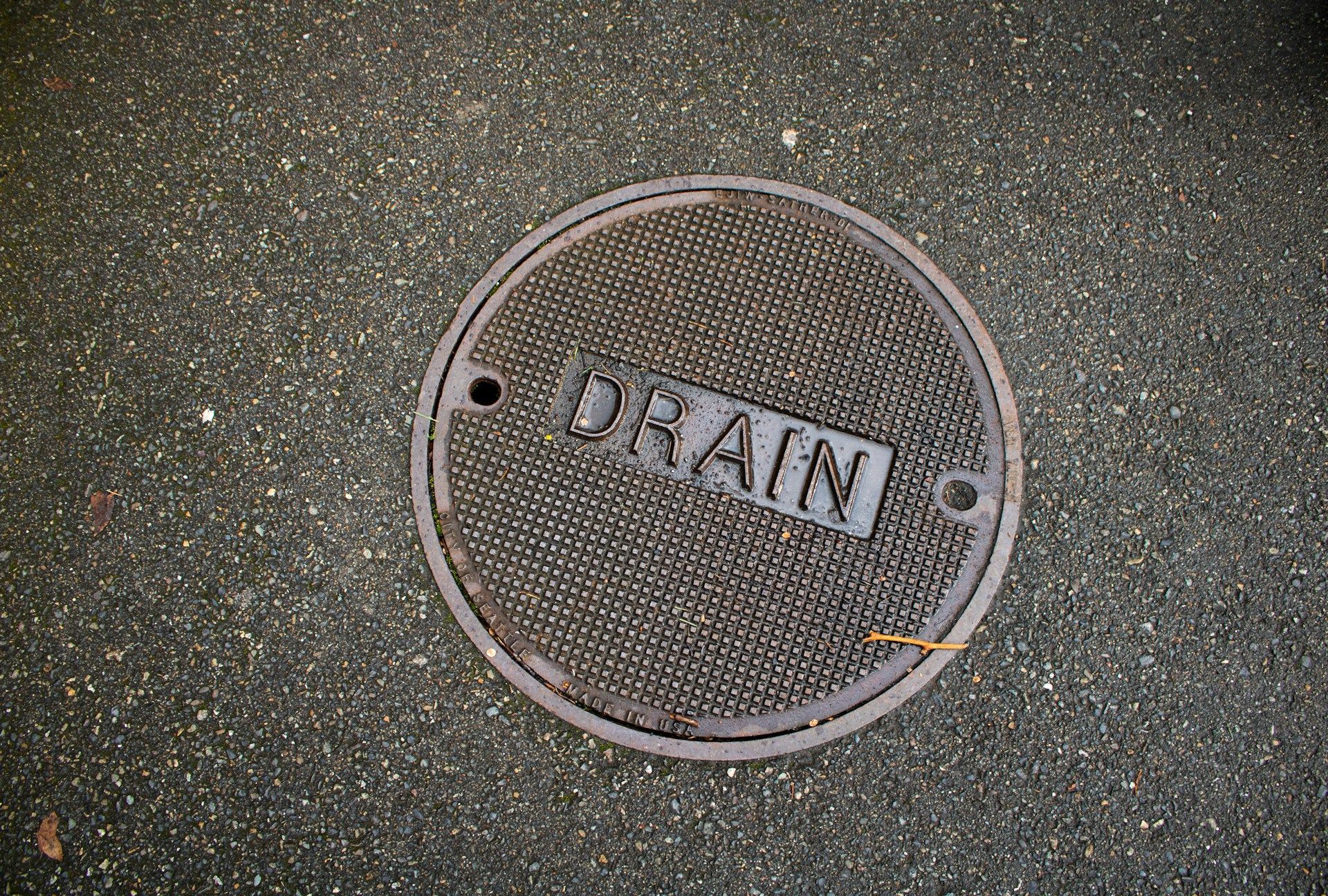
Drainage is just as important. In Nashville’s heavy storms, poorly drained areas can flood, crack pavement, and damage foundations. Features like shallow bioswales, rain gardens, and permeable pavements can slow and filter water so it has time to soak into the ground.
Good drainage design cuts:
- Erosion around the edges of parking lots and drives
- Standing water that leads to mud, algae, and frost damage
- Stress on storm drains and nearby structures
Over time, a smart water plan means fewer emergency calls for washouts, broken lines, or flooded entries. That protects both your budget and the core structure of the site.
Seasonal Strategies for Nashville’s Growing Cycle
Even low-maintenance sites still need seasonal care. In our climate, each season plays a role in keeping commercial grounds healthy and predictable.
A simple year-round rhythm can look like this:
- Spring: plant replacements as needed, refresh mulch, check irrigation for leaks
- Summer: fine-tune irrigation schedules, monitor for heat stress and weeds
- Fall: add or move plants while soil is warm, focus on root growth and cleanup
- Winter: protect key plants, prune when appropriate, review drainage after storms
Design details can keep properties attractive all year. Evergreens hold structure when leaves drop. Ornamental grasses bring movement and color into fall and early winter. A thoughtful mix of flowering plants can create a steady sequence of color through spring and summer.
Professional landscaping services for property managers in Nashville often bundle these seasonal needs into planned programs. That makes it easier to forecast work, set expectations with owners, and support tenant retention through calm, steady site care.
Turning Your Landscape Into a Strategic Asset
Outdoor areas do not have to be high-input, pretty but pricey features. With water-wise planning, smarter plants, and better layouts, they can become resilient, low-stress parts of the property that support the asset for years.
A simple starting checklist for property managers includes:
- Review water use and irrigation performance across sites
- Compare turf areas to planting beds and note where turf could be reduced
- Inspect drainage in heavy-use spots like loading zones and parking lots
- Identify planting areas that fail often and could be redesigned
- Look for quick wins, such as mulch upgrades, plant zoning, or smart controls
At Renting Earth, we work with owners and managers to treat grounds as part of the long-term plan for each asset. A clear, low-maintenance, water-wise approach can cut operating stress, support tenant satisfaction, and help protect property value across your Nashville portfolio.
Get Started With Your Project Today
If you are ready to simplify property upkeep and keep every exterior looking its best, we are here to help. At Renting Earth, our
landscaping services for property managers in Nashville are designed to be reliable, consistent, and easy to coordinate across multiple properties. Tell us about your portfolio, your pain points, and your budget, and we will build a service plan that fits. Have questions or need a quote fast? Just
contact us to get started.